As an Amazon Associate, we earn from qualifying purchases. Some links on this site are affiliate links at no extra cost to you. Our recommendations are based on thorough research and editorial judgment.


How To Program Automated Snow Plowing Routes?

To program automated snow plowing routes, we’ll leverage sophisticated algorithms like CARP while integrating real-time GPS tracking, GIS mapping, and weather data systems. Our approach utilizes IBM ILOG CP Optimizer to transform routing challenges, incorporating vehicle capacity constraints and service requirements through vulnerability-based parallel heuristics. By implementing dynamic route adjustment protocols with cloud-based infrastructure, we achieve peak fleet efficiency and minimal service disruptions. This systematic methodology represents the foundation for mastering advanced snow removal optimization techniques.
Key Takeaways
- Integrate real-time GPS tracking and weather data with GIS mapping systems to establish priority corridors and snow placement zones.
- Implement CARP algorithms and IBM ILOG CP Optimizer to transform routing problems into optimized solutions for snow plow operations.
- Deploy machine learning models for predictive analysis, incorporating traffic patterns and road conditions from mobile sensor readings.
- Utilize automated rerouting functionality to process emergency requests and equipment status while maintaining service level requirements.
- Program dynamic route adjustments through cloud-based infrastructure that considers vehicle capacities and real-time operational constraints.
Understanding Snow Plow Route Optimization Basics
The optimization of snow plow routes represents a complex intersection of algorithmic computing, geographical information systems (GIS), and operational logistics that fundamentally shapes winter maintenance efficiency.
We’ve determined that route efficiency depends on sophisticated algorithms incorporating real-time weather data, traffic patterns, and resource allocation constraints, while our implementation of adaptive ILS and tabu search methodologies enables dynamic route adjustments based on evolving conditions. Through extensive GIS integration and spatial analysis protocols, we’re systematically mapping priority corridors, storage facilities, and snow placement zones, while community involvement through mobile applications facilitates real-time feedback integration. Our data-driven approach employs machine learning models for predictive analysis, incorporating multiple variables including lane miles, clearance times, and network throughput metrics to generate ideal routing solutions that maximize operational performance within existing resource parameters. Additionally, the incorporation of advanced technology in route planning significantly enhances the ability to adapt to changing weather conditions and operational challenges.
Essential Data Collection Methods

Successful implementation of automated snow plow routing hinges on thorough data collection protocols that integrate real-time sensor networks, location tracking systems, and historical performance metrics into a cohesive operational framework. We’ve identified five essential data types that must be continuously gathered: mobile sensor readings of road conditions and weather parameters, GPS-based vehicle tracking coordinates, AVL-derived operational statistics, extensive road network characteristics, and longitudinal performance records. To guarantee ideal sensor accuracy across these data streams, we’re implementing rigorous calibration protocols for mobile weather sensors, maintaining precise GPS positioning systems accurate to within 3 meters, and utilizing automated data validation algorithms that cross-reference measurements against fixed weather stations and historical benchmarks, thereby establishing a reliable foundation for route optimization and real-time adjustments. Incorporating wheeled snow pushers into the operational strategy can enhance snow removal efficiency during automated routes.
Recommended Products

Items Included:1 x Leica 10x42 Geovid Pro Rangefinder Rugged Compact Ergonomic Lightweight Weather-Proof Hunting Binoculars, 1 x Tripod Adapter, 1 x Pro Sling Backpack, 1 x Monopod, 1 x Cleaning Kit

Based on core principles of passion for photography, The All New Flagship APS-C model K-3 III continues a heritage of craftsmanship combined with todays new technologies.

36.4MP AA Filter less CMOS Sensor w/ 33 AF Points; SR Shake Reduction w/ Pixel Shift Resolution System APS C Crop Mode for backward compatibility with PENTAX APS C Lenses
Mapping Service Areas and Priority Zones

Mapping extensive service areas and establishing clear priority zones represents a foundational cornerstone of automated snow plow routing, requiring meticulous integration of geographic information system (GIS) tools with real-time operational data.
In our service area mapping process, we’ll convert legacy route documentation into dynamic digital formats while incorporating multiple data layers that delineate boundaries, infrastructure positions, and vehicle accessibility parameters. We’ll then implement priority zone analysis by evaluating traffic volumes, emergency access requirements, and proximity to critical facilities, creating a multi-tiered classification system that enhances resource allocation during snow events. Additionally, considering the use of high-quality materials in our snow plow components will ensure optimal performance in harsh winter conditions.
Through the integration of real-time monitoring systems and historical performance metrics, we’ll continuously refine our service boundaries and priority designations, ensuring ideal coverage and response times across all designated zones within our operational framework.
Recommended Products

2PK Snow Plow Blade Guide Markers Flags for Western 59700 1308210 410007 SNP7900


Implementing CARP Algorithm Solutions

While traditional snow plow routing methods rely on manual planning, implementing Capacitated Arc Routing Problem (CARP) algorithm solutions enables us to optimize complex multi-vehicle operations through sophisticated mathematical modeling and constraint programming approaches. We utilize IBM ILOG CP Optimizer 12.6.2 to transform CARP into node routing problems, which consistently delivers 3-156% improvement over conventional integer programming formulations.
Our implementation incorporates critical operational constraints, including vehicle capacities, depot locations, and service requirements for each road segment, while accounting for real-world complications such as turning restrictions and prioritized routes. Through the integration of vulnerability-based parallel heuristics and metaheuristic algorithms, we can efficiently generate near-optimal solutions that adapt to dynamic conditions while maintaining strict adherence to maintenance standards and resource limitations. Additionally, understanding the average lifespan of tools ensures that we can plan for maintenance and replacements effectively.
Recommended Products

Hitch Mounted, Lightweight (62 lb/28 kg), Light-Duty Snowplow. FOR RESIDENTIAL DRIVEWAY USE ONLY
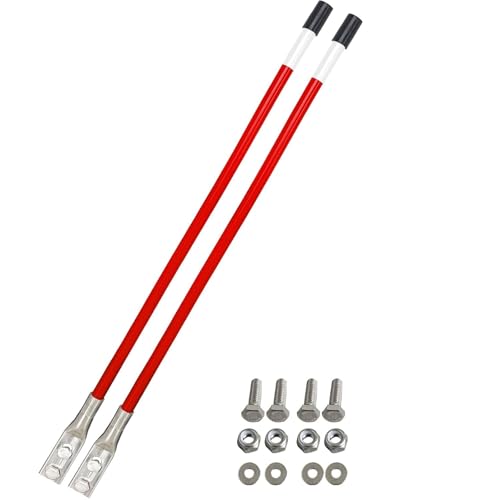
Snow plow marking blade guide rail * 2: The interior is filled with all steel wire, never breaks, and has very high resilience. The base joint and mounting nut are made of 304L stainless steel, which has super corrosion resistance, oxidation resistance, and can be used for a long time.
Real-Time GPS Integration Strategies

Modern snow plowing operations demand sophisticated real-time GPS integration strategies that transform traditional route management into data-driven, automated systems. Through GPS innovation, we’re implementing advanced fleet tracking capabilities that enable real-time monitoring of plow locations, salt application rates, and road conditions across entire service networks.
Our route efficiency protocols leverage geo-fencing technology and weather data integration to optimize deployment strategies, while third-party software integration enhances dispatch capabilities and scheduling algorithms. We’re utilizing thorough GPS tracking solutions that generate custom reports, monitor equipment performance, and facilitate paperless operations, resulting in measurable cost reductions and enhanced productivity metrics. The integration of real-time GPS systems additionally supports community engagement through publicly accessible tracking interfaces, enabling residents to monitor plowing progress and current road conditions. This technology also ensures that autonomous snow plows can navigate difficult terrains effectively, enhancing operational efficiency and safety.
Recommended Products

Rapid POC Communication – Unlimited Range Nationwide The G09 utilizes rapid 4G LTE POC technology, providing unlimited range communication nationwide. Ideal for logistics, security, and emergency teams, it delivers clear, instant communication without the need for traditional radio infrastructure.(FCC:2AN96PO25702)

Advanced Triple-Camera System - The Mavic 4 Pro’s Infinity Gimbal features a triple-camera system: a 100MP Hasselblad wide-angle lens with 6K60 HDR and HNCS color, a 48MP medium tele for portraits, and a 50MP tele for sharp long-range shots. All support up to 4K slow motion (4K120 on wide/medium, 4K100 on tele), dual native ISO fusion, 10-bit D-Log, RAW frame stacking, and intelligent modes like Panorama and Subject Focusing—delivering professional results in any setting.

SEE EVERY ANGLE WITH 360° COVERAGE: This system includes six HD weatherproof night vision cameras to monitor the front, rear, and sides of your truck. You can expand up to eight 1080N HD cameras total, helping you eliminate blind spots and improve visibility while changing lanes or reversing
Weather Data Analysis and Forecasting
Three critical weather data streams converge to form the foundation of our automated snow plow routing systems: real-time meteorological feeds, historical pattern analysis, and hyperlocal sensor networks. Through sophisticated API integration, we’re continuously processing multi-source weather variability data to optimize route calculations and deployment schedules.
Our forecast accuracy depends on the systematic analysis of temperature trends, precipitation rates, and wind patterns, which we overlay with GIS mapping to identify high-risk zones requiring prioritized attention. We’ve implemented automated threshold monitoring that triggers route recalibration when weather conditions deviate from predicted patterns, while our historical benchmarking algorithms compare current weather events against past scenarios to anticipate resource requirements and potential service disruptions. Additionally, we leverage data on snow clearance capacity to ensure that our routes are tailored to effectively handle varying snow depths and conditions.
Vehicle Capacity and Resource Planning
Building upon our weather analysis framework, effective vehicle capacity and resource planning demands a sophisticated integration of fleet specifications with operational constraints. We’ve determined that ideal resource allocation requires categorizing snowplow trucks by their designated capacities (Type 104, 113, and 168), while implementing data-driven systems to match vehicles with appropriate route segments.
Our vehicle capacity management protocols necessitate careful consideration of salt and de-icing material dispensing rates, incorporating real-time tracking mechanisms that monitor consumption patterns and trigger automated depot replenishment schedules. We’re integrating multi-vehicle coordination systems that enhance zone coverage while preventing resource overlap, ensuring our larger-capacity vehicles are strategically deployed to high-priority routes where their enhanced capabilities deliver maximum operational efficiency and cost-effectiveness. Additionally, utilizing remote control plows can improve operational flexibility and efficiency in snow removal tasks.
Dynamic Route Adjustment Protocols
While static route planning establishes foundational pathways, our dynamic route adjustment protocols leverage real-time data integration and machine learning algorithms to execute intelligent modifications based on evolving conditions.
Through continuous GPS tracking and real-time updates, our systems monitor snowplow locations, traffic patterns, and weather conditions, enabling instantaneous route enhancement when circumstances change. The automated rerouting functionality processes multiple data streams, including emergency service requests and equipment status reports, to recalculate ideal paths while maintaining service priorities. Our protocols integrate with cloud-based infrastructure to analyze road network data, allowing fleet managers to implement immediate adjustments when obstacles arise or critical service needs emerge. This sophisticated approach guarantees maximum operational efficiency while maintaining responsiveness to dynamic winter weather conditions and evolving municipal requirements. Additionally, high-intensity LED chips in snow plow light bars significantly improve nighttime visibility, enhancing safety during automated snow plowing operations.
API Configuration and Software Setup
To operationalize our dynamic routing systems, proper API configuration and software setup create the technological foundation that enables automated snow plowing operations. We’ll implement RESTful services integration with OAuth2 authentication protocols, ensuring robust API security while facilitating seamless data exchange between fleet management and routing platforms.
Our configuration process incorporates thorough GIS data layers, establishing precise route parameters through software scalability measures that accommodate multiple vehicle types, priority zones, and operational constraints. We’re implementing cloud-based optimization algorithms that integrate with existing municipal systems, while maintaining strict security protocols for data encryption and role-based access control. The setup includes detailed specifications for vehicle capabilities, service frequencies, and depot locations, enabling real-time route adjustments through automated API calls when weather conditions or operational requirements change. Additionally, high-quality aluminum construction is essential for ensuring the durability of snow plow attachments used in these operations.
Route Testing and Validation Methods
Successful implementation of automated snow plowing routes demands thorough testing and validation protocols across multiple dimensions to secure operational excellence and system reliability. Through simulation scenarios, we evaluate route feasibility under diverse weather conditions while measuring critical metrics including completion times, fuel consumption, and coverage effectiveness.
Our rigorous validation approach integrates real-time GPS monitoring with pilot field trials to assess algorithm efficiency against established benchmarks, consistently demonstrating optimization improvements of 3-156% in travel distance reduction. We continuously validate system responsiveness through automated re-optimization testing, measuring the platform’s capability to dynamically adjust routes during equipment failures or sudden weather changes. This extensive testing framework secures routes maintain operational resilience while meeting service level requirements and resource constraints across all deployment scenarios. Additionally, understanding snow type compatibility is crucial for optimizing snow removal strategies effectively.
Performance Metrics and Monitoring
Effective performance measurement of automated snow plowing operations relies on an extensive matrix of quantifiable metrics and real-time monitoring systems that we’ve developed to optimize route efficiency.
Our performance analysis framework integrates GPS tracking data, geofencing alerts, and real-time weather conditions to evaluate key efficiency benchmarks, including vehicle miles covered, deadhead reduction, and turnaround times. We’ve documented success metrics showing a 4.87% decrease in travel time and 13.85% reduction in deadhead miles through systematic monitoring of route geometries and vehicle behaviors. By implementing sophisticated tracking tools that measure operational costs, fuel consumption, and safety compliance, we’re able to continuously refine routing algorithms while ensuring adherence to designated service boundaries and identifying areas requiring strategic adjustments for enhanced performance optimization.
Emergency Response Protocol Integration
While integrating emergency response protocols into automated snow plowing systems presents complex logistical challenges, we’ve developed a thorough GIS-based framework that systematically prioritizes critical infrastructure and emergency access routes.
Our implementation strategy incorporates real-time emergency communication systems that facilitate instantaneous data exchange between snow removal teams and first responders, while smart sensors continuously monitor road conditions to optimize route accessibility. We’ve established protocol updates that automatically adjust clearing priorities based on emerging emergency situations, ensuring critical pathways remain accessible during severe weather events. Through the integration of mobile applications and automated notification systems, we’re maintaining seamless coordination between emergency services, snow removal operations, and essential personnel, while simultaneously providing residents with real-time updates regarding route clearance status and emergency response capabilities.
Maintenance Schedule Optimization
Building upon our emergency response framework, maintenance schedule enhancement represents a data-driven orchestration of resources that maximizes operational efficiency through systematic prioritization and dynamic routing algorithms.
We’ve developed a multi-tiered scheduling system that analyzes snow accumulation patterns against priority zones, incorporating real-time weather forecasts and historical data to determine ideal plow deployment sequences. Our sophisticated algorithms continuously evaluate critical locations, including schools, hospitals, and emergency service corridors, while factoring in peak traffic patterns and resource constraints. Through integration of GPS tracking and predictive analytics, we’re able to dynamically adjust maintenance schedules as conditions evolve, ensuring ideal fleet utilization and minimizing service disruptions. The system’s constraint programming capabilities enable rapid schedule recalibration when unexpected obstacles or equipment failures necessitate real-time route modifications.
Environmental Impact Assessment
Understanding our snow removal operations’ environmental footprint requires a thorough assessment across multiple impact vectors, including emissions, water quality, and ecological disruption. Our analysis indicates that traditional gas-powered equipment generates emissions equivalent to 70-300 miles of car travel per operational hour, while approximately 78% of applied deicing chemicals ultimately contaminate local water resources.
To enhance environmental sustainability, we’re implementing GPS-based route optimization systems that minimize fuel consumption and unnecessary vehicle idling, while simultaneously monitoring chemical application rates through real-time weather data integration. By shifting to electric or hybrid equipment and utilizing alternative deicing agents like calcium magnesium acetate in environmentally sensitive zones, we’re systematically reducing our ecological footprint across multiple operational dimensions, from air quality impact to soil and vegetation preservation.
Frequently Asked Questions
How Can Snow Plow Operators Maintain Mental Alertness During Extended Overnight Shifts?
We’ll stay alert by following effective sleep strategies like getting proper rest before shifts and maintaining regular shift routines with scheduled breaks, healthy snacks, cool air circulation, and brief power naps during peak fatigue periods.
What Liability Insurance Considerations Apply When Programming Automated Snow Plow Routes?
We’ll need thorough liability coverage for automated routes and should review insurance exemptions carefully. It’s essential to understand our policy limits, especially regarding system failures and potential property damage during autonomous operations.
How Do Different Blade Types Affect Route Optimization Calculations?
We’d think all blades are equal, but they’re not! Different materials impact blade efficiency dramatically – steel for heavy ice, rubber for light snow – directly affecting our route accuracy and timing calculations for ideal clearing.
Can Automated Routes Be Programmed to Avoid Areas With Frequent Pedestrian Gatherings?
Yes, we can program routes to avoid high-traffic pedestrian patterns by integrating gathering schedules into our system. We’ll use GIS mapping and real-time data to automatically redirect plows around crowded areas during peak times.
What Backup Communication Systems Work Best When Cellular Networks Fail?
We recommend using both satellite communication devices and radio systems as primary backups. They’re independent of cellular networks, with satellite phones providing global coverage and radios offering reliable local communication during outages.


