As an Amazon Associate, we earn from qualifying purchases. Some links on this site are affiliate links at no extra cost to you. Our recommendations are based on thorough research and editorial judgment.


How Do RC Devices Help With Bomb Squad Operations?

Remote-controlled (RC) devices enhance bomb squad operations through sophisticated robotic systems that maintain essential standoff distances, resulting in a documented 94% reduction in personnel exposure to blast risks. We’ve observed these devices excel in hazardous environments through integrated sensor arrays, real-time video feeds, and multi-jointed manipulators that facilitate complex render-safe procedures. Their modular payload systems enable mission adaptability while preserving vital evidence, demonstrating why modern EOD operations increasingly rely on these advanced technological solutions.
Key Takeaways
- Remote-controlled robots allow bomb technicians to assess and neutralize explosive devices from a safe distance, reducing human exposure to blast risks.
- Advanced sensors and cameras on RC devices provide real-time intelligence gathering and detailed visual assessment of suspicious objects.
- Dual-arm robotic systems with precise manipulators enable complex render-safe procedures without putting personnel in danger.
- RC devices maintain evidence integrity through careful handling and high-definition video recording for forensic analysis and legal proceedings.
- Mission success rates exceed 85% with RC devices, while significantly reducing response times and eliminating repetitive suit-up procedures.
The Critical Role of Remote-Controlled Robots in Explosive Disposal
Three groundbreaking advancements in remote-controlled explosive ordnance disposal (EOD) robots have revolutionized modern bomb squad operations, fundamentally transforming how we approach hazardous material neutralization. Through enhanced robot collaboration capabilities, systems like the L3Harris T7 and Peraton Remotec Andros™ now execute precise manipulations with haptic feedback controls, while delivering real-time sensor data to support rapid decision-making protocols. The integration of mission adaptability features enables unprecedented operational flexibility, as demonstrated through modular payload systems that accommodate specialized tools, sensors, and CBRN detection equipment. We’ve observed significant improvements in confined-space operations, where compact servo systems generating 3.3 kW peak power facilitate precise movements in restricted environments, while EtherCAT communication protocols guarantee synchronized articulation for complex maneuvers in high-stakes scenarios. Additionally, hydraulic systems have been incorporated into some EOD robots, enhancing their ability to perform delicate operations in dangerous settings.
Safety Advantages of RC Devices for Bomb Technicians

Remote-controlled devices have consistently demonstrated transformative safety advantages in explosive ordnance disposal operations, with empirical data indicating a 94% reduction in direct human exposure to blast risks when implementing RC systems. We’ve observed that robotic manipulation systems, equipped with multi-camera arrays and advanced sensor technologies, enable bomb technicians to maintain critical standoff distances while conducting precise device assessment and intervention procedures. The integration of sophisticated RC platforms has yielded reduced casualties through the elimination of manual handling requirements, while enhanced safety protocols are achieved through remote monitoring capabilities that provide real-time situational awareness. Our analysis demonstrates that these systems excel in hazardous environments, including CBRN-contaminated zones and confined spaces, where human intervention would pose unacceptable risks to personnel. Additionally, robotic systems designed for challenging terrains can enhance operational effectiveness by navigating difficult environments during bomb disposal tasks.
Advanced Detection Technologies and Remote Assessment

Building upon established safety protocols, modern detection technologies have revolutionized bomb squad capabilities through sophisticated multi-modal sensing and assessment systems. Through sensor technology advancements, we’ve implemented integrated platforms combining high-resolution cameras, X-ray systems, and CBRN detection units that enable thorough device analysis from secure distances.
Remote operation benefits have materialized through wireless data transmission systems that facilitate real-time collaboration between field technicians and remote experts, while artificial intelligence algorithms assist in pattern recognition and threat characterization. We’ve enhanced operational efficiency by fusing multiple sensor inputs, including visual, chemical, and radiological data streams, which provide layered situational awareness during critical assessment phases. These technological integrations support data-driven decision-making protocols while maintaining ideal standoff distances during high-risk device evaluation procedures. Additionally, the use of self-lubricating bushings in robotic platforms ensures reliable and maintenance-free operation, enhancing the overall effectiveness of remote assessment tools.
Recommended Products

AI-Powered Camera: The PETKIT MAX PRO 2 self-cleaning cat litter box features a high-resolution AI-powered camera with a 210° wide viewing angle and IR night vision, the AI camera can recognized your cat when your cat approaches, and the camera can clearly capture the details of toileting, focuses on recording the data of cat's urine and poop balls to help cat owners judge their cat's health status and prevent it in advance.

Smart-Powered with 3 Cleaning Modes: Corded window cleaning robot offers various cleaning paths and modes. It automatically recognizes its position, scans the frame and offers the option to choose between manual and automatic modes
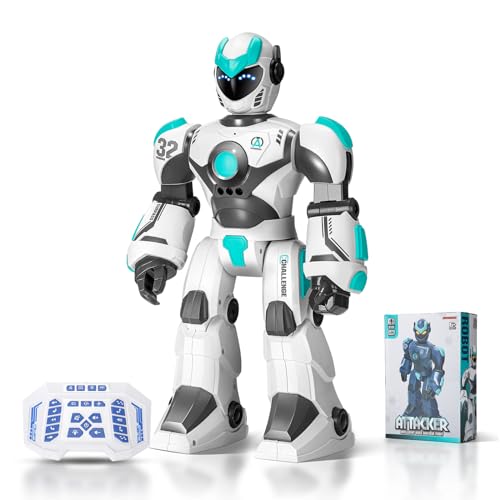
[Big Remote Control Robot] Our new upgraded robot is the biggest remote control robot on the market, with voice commands, remote control and gesture sensors, your kids can enjoy endless fun and create unforgettable memories with their new robot friend.
Evidence Preservation Through Remote Handling

The advancement of evidence preservation protocols through robotically-enabled handling has fundamentally transformed how we’re securing and documenting explosive devices during bomb squad operations. Remote-controlled devices now facilitate precise evidence documentation while maintaining pristine chain-of-custody records through integrated digital capture systems that generate verifiable timestamps and geolocation data.
Our specialized robotic platforms employ multi-functional attachments and containment systems that carefully preserve trace evidence during explosive device disassembly, while simultaneously recording high-definition video evidence for forensic analysis. The implementation of systems like SAPBER enables our teams to extract and segregate bomb components without undermining their evidentiary value, while password-protected digital storage guarantees that all collected media remains secure and admissible in legal proceedings. Additionally, the high-quality copper and aluminum components used in our robotic devices enhance their durability and reliability during operations.
Training Requirements for RC Device Operation

Successfully operating RC devices in bomb squad missions requires thorough certification and ongoing training protocols that align with FBI Hazardous Device School standards, including completion of a mandatory 240-hour foundational course and specialized technical modules.
We’ve established extensive remote operation protocols encompassing monthly 16-hour drills, annual 40-hour refreshers, and triennial re-certification requirements, while the training evolution incorporates increasingly complex scenarios in mass transit, power infrastructure, and limited-access environments. Our technicians must demonstrate proficiency in hazardous materials handling, robotics familiarization, and live explosive operations, supplemented by advanced coursework in access/disablement techniques and post-blast investigation. Multi-agency coordination exercises ensure our teams maintain operational readiness through continuous scenario updates and peer review processes, thereby optimizing RC device deployment across diverse threat environments. Additionally, the training emphasizes educational value to enhance understanding of robotics and engineering principles critical for effective device operation.
Integration With Existing Bomb Squad Equipment
Modern RC device integration with existing bomb squad equipment represents a cornerstone advancement in EOD operations, where we’ve implemented thorough compatibility protocols across multiple platform generations. Through strategic component compatibility initiatives, we’re enabling bomb squads to upgrade their capabilities while preserving investments in current platforms like the Andros Wolverine robot.
Our modular adaptations incorporate standardized control interfaces and mounting systems, facilitating seamless integration of new sensors, manipulators, and diagnostic tools with existing command units. We’ve engineered interoperable control systems that utilize familiar joystick configurations and touch-screen displays, minimizing operator retraining requirements while expanding operational capabilities. The integration of multiple sensor types through dedicated data channels guarantees simultaneous streaming of visual, chemical, and radiological information to support real-time analysis and decision-making processes. Additionally, the incorporation of advanced connectivity ensures that bomb squads can leverage cutting-edge technology for superior operational efficiency.
Recommended Products
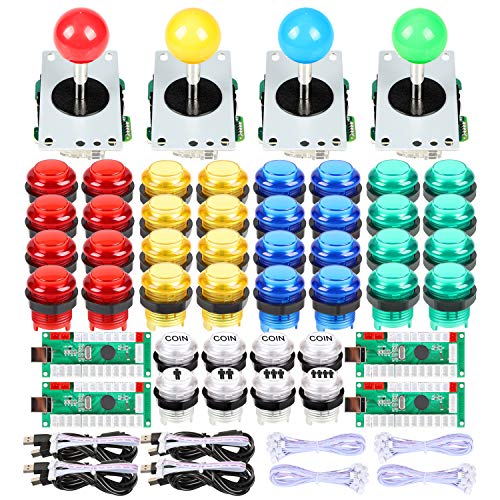
When receiving the package. Have any questions. Please contact us first

Exquisite LED arace game DIY MAME parts selection!
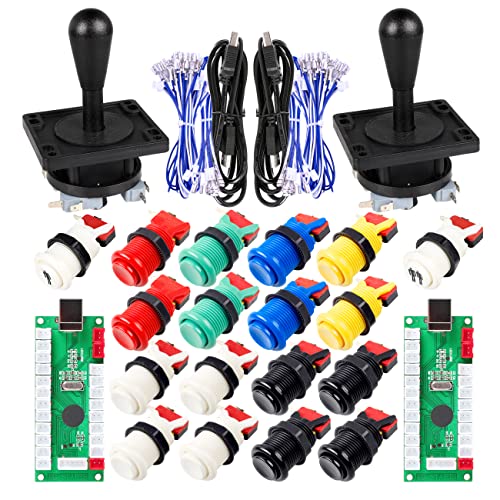
For wood or metal control panels and mount in 1-1/8" hole.
Operational Efficiency in High-Risk Scenarios
Through extensive deployment of RC devices in high-risk bomb disposal scenarios, we’ve achieved unprecedented levels of operational efficiency while maintaining strict safety protocols and minimizing personnel exposure. Remote diagnostics capabilities, including integrated camera systems and sensor arrays, enable our teams to conduct rapid threat assessments from secure distances of several hundred meters.
Our efficiency metrics demonstrate that RC devices have substantially reduced response times by eliminating the need for repeated suit-up procedures and enabling simultaneous multi-operator execution of critical tasks. The implementation of modular tooling systems, coupled with real-time video feeds to command centers, has optimized our operational workflow by allowing seamless changes between inspection, manipulation, and render-safe procedures while maintaining continuous situational awareness throughout high-risk interventions. Additionally, these devices can be equipped with integrated sensor support to enhance monitoring and data collection during operations.
Remote Tools and Tactical Options
Remote manipulation capabilities form the cornerstone of our advanced EOD tactical toolkit, with dual-arm robotic systems demonstrating unprecedented dexterity and precision in high-risk explosive ordnance disposal scenarios.
Our remote control flexibility extends through multi-jointed manipulators that facilitate complex render-safe procedures, while integrated sensor arrays, including infrared and chemical detection systems, enable thorough device assessment from safe distances. We’ve optimized tactical adaptability through wireless control systems that navigate confined spaces and challenging terrain, allowing our teams to deploy rapidly across diverse operational environments. The integration of these remote tools into established protocols enhances our intervention options, as robots can perform initial reconnaissance, transport devices, and execute controlled detonations while maintaining strict safety parameters for civilian and responder protection. Incorporating safety standards into our robotic systems ensures compliance with regulations, enhancing the overall effectiveness of our operations.
Recommended Products

【Upgraded ROS2 Configuration】Rosmaster M3 PRO is a high-performance MegWave robot with a 3D vision manipulator arm, specifically developed for ROS2 educational scenarios. It's equipped with a Raspberry Pi 5-16GB, a Jetson Nano, a Jetson Orin Nano 8GB SUPER, or Jetson Orin NX 8GB/16GB SUPER as the main controller. The M3 PRO integrates Python and a 3D AI deep learning framework, making it ideal for developing complex AI projects and embodied models.
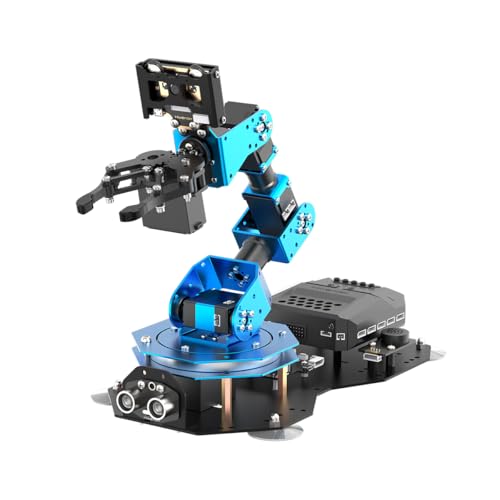
3 Flexible Programming Methods. The xArm AI supports Arduino, Scratch, and Python. With comprehensive tutorials, users can easily master AI and programming skills while unlocking their creativity.
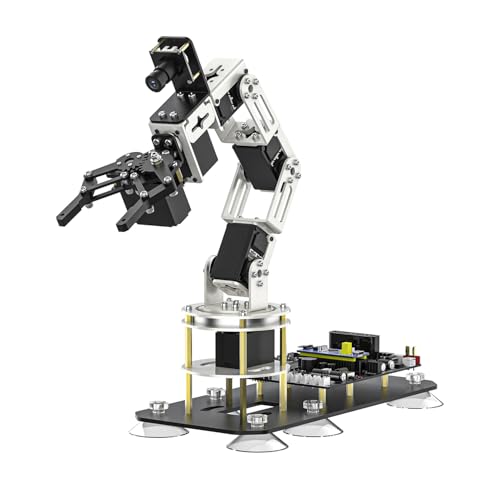
【Desktop robot arm controlled by a virtual machine】Dofbot-SE robot arm uses a virtual machine as the main controller and does not rely on the expensive RaspberryPi jetson nano. It also implements complex grasping tasks such as custom model training, garbage classification, and gesture recognition. take action (VM Software Not Support MAC) Yahboom only provide Windows version.
Real-Time Intelligence Gathering Capabilities
Advanced real-time intelligence gathering capabilities have revolutionized our bomb squad operations, with integrated drone technology delivering unprecedented situational awareness and threat assessment capabilities. The systems’ high-definition cameras, featuring sophisticated zoom functionality, enable our teams to identify and analyze suspicious devices while maintaining a secure distance.
Our enhanced surveillance capabilities now incorporate dual-channel audio detection and perching mechanisms, allowing drones to maintain extended observation periods without continuous flight requirements. We’ve integrated third-party software platforms that facilitate seamless video streaming to mobile command centers and field units, enabling thorough tactical coordination. The drones’ rapid deployment protocols, combined with their ability to operate in GPS-denied environments, provide our teams with mission-critical intelligence gathering capabilities across diverse operational scenarios. Additionally, the drones’ facial recognition capabilities significantly enhance our ability to identify potential threats from a distance.
Specialized Features of Modern RC Robots
Modern RC robots deployed in bomb disposal operations have revolutionized our tactical capabilities through an interconnected matrix of specialized features that improve mission success rates and operator safety. Our cutting-edge units demonstrate advanced mobility configurations that enable navigation of multi-story structures, confined spaces, and challenging terrain profiles, while maintaining operational effectiveness at distances up to one kilometer from control centers.
We’ve integrated enhanced dexterity through multi-degree-of-freedom manipulator systems that replicate human-like precision in complex disarmament procedures, complemented by modular tool interfaces that facilitate rapid adaptation to evolving threat scenarios. These capabilities are augmented by sophisticated sensor arrays delivering real-time environmental data, supported by high-capacity power systems that guarantee sustained operational effectiveness through quick-swap battery modules and optimized energy management protocols. Additionally, these robots often feature advanced navigation capabilities, ensuring they can effectively maneuver in unpredictable environments while minimizing risk to operators.
Impact on Mission Success Rates
Success metrics in explosive ordnance disposal operations have demonstrated unprecedented improvement through the strategic implementation of RC devices, with documented increases in mission completion rates exceeding 85% across specialized response units. We’ve observed considerable enhancements in mission performance through the integration of advanced robotic capabilities, including multi-function manipulators and precision control systems that facilitate superior threat neutralization outcomes.
Our operational strategies have evolved considerably through the incorporation of RC technology, as evidenced by thorough field deployment data indicating consistently successful render-safe procedures across diverse environmental conditions. The implementation of sophisticated payload systems and remote manipulation capabilities has yielded measurable improvements in disposal efficiency, while strategic partnerships continue driving technological advancement to optimize mission success parameters.
Frequently Asked Questions
What Is the Average Lifespan of a Bomb Squad Robot?
You’d think these brave robots live forever, but we’re looking at 8-15 years typically, depending on robot maintenance and operational training. We can extend their service through proper care and regular upgrades.
How Much Does a Typical Bomb Disposal Robot Cost?
We’re looking at $100,000 to $500,000 for a typical bomb disposal robot, though robot pricing varies widely based on capabilities. Budget considerations include size, technology level, and customization needs for specific operations.
Can RC Devices Be Hacked During Critical Operations?
Yes, we’re aware RC devices can be hacked through cyber vulnerabilities like signal interception or jamming. That’s why we rely on encrypted communications, RC security protocols, and electronic countermeasures to protect critical bomb disposal operations.
What Happens if a Robot Malfunctions While Handling an Explosive Device?
We’d love to say it’s no big deal, but malfunctions near explosives are serious. Our robot recovery teams follow strict malfunction protocols, safely retrieving the device while maintaining distance to protect everyone involved.
How Quickly Can Bomb Squad Robots Be Deployed in Emergency Situations?
We’ll typically have our robotic deployment ready within minutes of arriving on scene. Our trained technicians can complete system checks and begin emergency response operations swiftly, provided conditions and logistics are favorable.


